Cornell University’s NestWatch program is a treasure trove for bird enthusiasts and citizen scientists alike. Through NestWatch, participants across North America contribute valuable data by monitoring nesting birds in their local areas. This citizen science initiative not only helps researchers better understand bird populations and behaviors but also provides a platform for people of all ages and backgrounds to connect with nature and make a meaningful impact on avian conservation efforts. Whether you’re observing bluebirds in your backyard or documenting raptors in remote wilderness areas, NestWatch empowers everyone to play a role in protecting our feathered friends for generations to come.
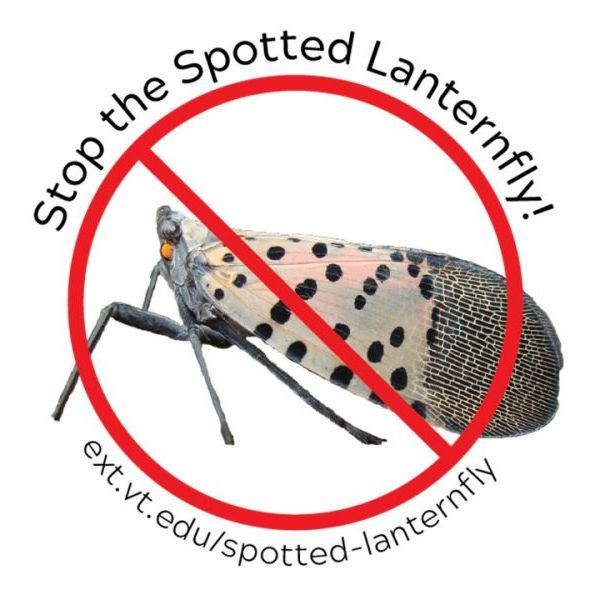
Chapters with volunteers interested in SLF monitoring with Circle traps or in doing education/outreach about SLF should contact their local Extension agents to find out what is needed locally, how they can best be involved, and how to obtain materials. The Insect Identification Lab at Virginia Tech has outreach materials such as stickers, factsheets, ID cards, etc., and ordering of these materials is coordinated through the local Extension agents.
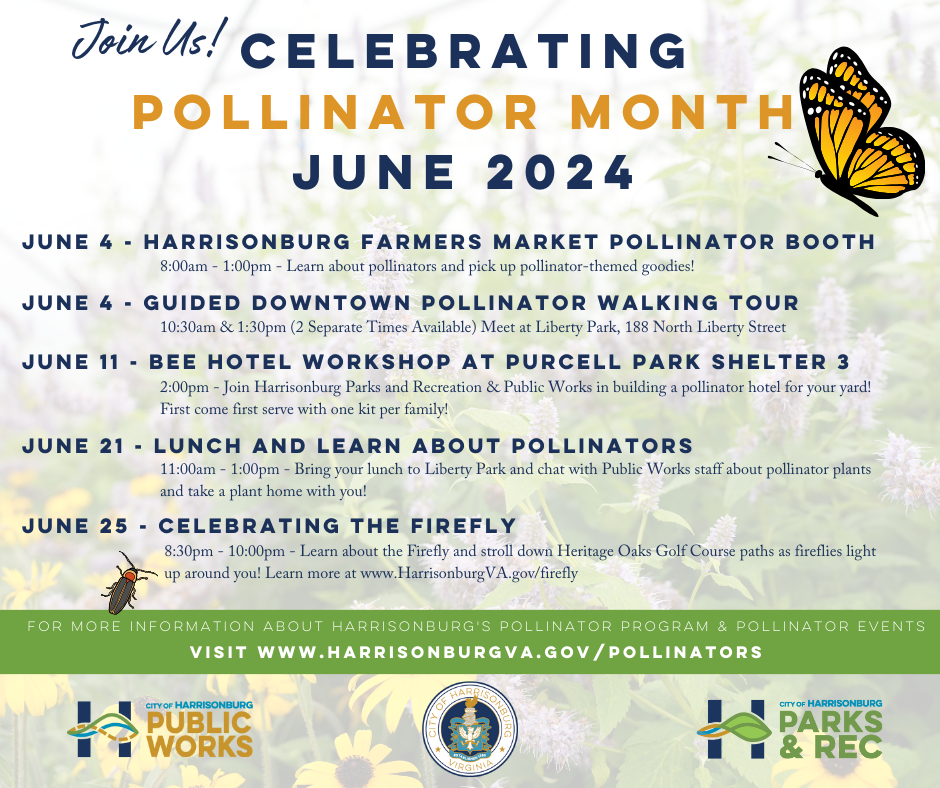
Celebrate the vital role of pollinators this June in Harrisonburg! As the flowers bloom and the days lengthen, join city staff in honoring these tiny yet mighty creatures that play a crucial role in our ecosystem. Throughout the month, discover the fascinating world of pollinators through educational events, hands-on activities, and opportunities to support their conservation. Join in ensuring a vibrant future for both pollinators and our planet!
A private tour can be hosted if there is enough interest.
As spring blossoms, so does the activity of our avian friends. It’s common to find birds nesting near our homes during this time. Here are some tips from the Cornell Lab of Ornithology to ensure harmonious coexistence:
1. **Observe from a Distance:** Respect the birds’ space by observing them from afar. Use binoculars to watch their behavior without disturbing them.
2. **Maintain Quietude:** Minimize noise and disturbances around nesting areas. Loud noises can stress birds and disrupt their nesting process.
3. **Avoid Pruning During Nesting Season:** Refrain from pruning trees or shrubs where birds are nesting. Wait until nesting season is over to avoid disturbing their homes.
4. **Secure Pets:** Keep pets away from nesting sites to prevent them from disturbing or harming the birds. Consider leash laws and supervised outdoor time for pets.
5. **Reduce Window Collisions:** Birds may collide with windows, mistaking them for open airspace. Use window decals or screens to reduce collisions and prevent injuries.
6. **Maintain Bird-Friendly Landscaping:** Plant native vegetation that provides food, shelter, and nesting sites for birds. Create a bird-friendly environment in your yard.
7. **Be Mindful of Nest Removal:** Avoid removing nests unless absolutely necessary. Many bird species are protected by law, and disturbing their nests can have legal consequences.
By following these simple guidelines, we can enjoy the presence of nesting birds while ensuring their safety and well-being. Let’s cherish the beauty of nature and coexist peacefully with our feathered neighbors. Read more about nesting birds HERE.