Autumn has arrived! Here’s a very brief list of wild edible mushrooms that you may be able to find this time of year. This list mostly applies to fungi that grow in the temperate regions of eastern North America.
Keep in mind that many other edible mushrooms grow during the autumn season (e.g., shaggy mane, cauliflower mushroom, bear’s head tooth, etc.). For more information on each species, consult a field guide or a mycological key. You can also check out the Learn Your Land YouTube channel HERE.
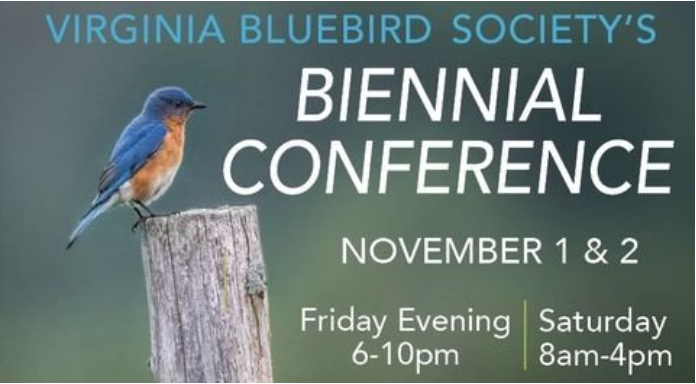
The Virginia Bluebird Society’s 2024 Biennial Conference will focus on various aspects of bluebird conservation and habitat preservation. Attendees can expect presentations from experts in ornithology, workshops on bluebird monitoring techniques, and discussions about best practices for providing suitable nesting environments. The conference aims to foster collaboration among bird enthusiasts, conservationists, and the general public to promote the protection of bluebirds and their habitats. Networking opportunities and field trips may also be included to enhance participants’ knowledge and engagement.
To register or lean more about this important event, click HERE.
Migrating Monarch on Blue Mistflower (Conoclinium coelestinum). Photo taken at Montreal Botanical Garden by Rob Beaton.
As fall approaches, eastern monarch butterflies are beginning their migration southward in response to a combination of environmental cues. Shortening daylight hours, cooler temperatures, and the declining availability of nectar sources signal to the monarchs that it’s time to leave their breeding grounds in the United States and Canada. These changes indicate the approach of winter, when the cold would be fatal to the monarchs if they remained in the north. Instinctively, they start their journey toward the warmer climate of central Mexico, where they can find the ideal conditions to survive the winter months. This migration is a vital part of their life cycle, allowing them to find shelter in the oyamel fir forests of the Sierra Madre mountains until spring returns.
So get outside! Don’t miss the opportunity to see one of the greatest migrations on earth in action!
Birdability is a nonprofit organization dedicated to making birdwatching and outdoor recreation accessible to all, regardless of physical ability, health concerns, or other challenges. Founded by passionate birders who believe that nature should be enjoyed by everyone, Birdability works to break down barriers by promoting inclusive practices, providing resources, and advocating for accessible birding locations.
The Birdability Map is an ongoing collaboration between Birdability and National Audubon. Birdability is a brand new nonprofit whose mission is to share the joys of birding with people who have disabilities and other health concerns. By using this map, you not only discover beautiful birding spots but also support an inclusive community that celebrates the joy of birdwatching for all. Join us in making birding accessible and enjoyable for everyone!
The organization also offers educational programs and community-building initiatives, helping to create a welcoming environment for people of all abilities. Through their efforts, Birdability is transforming the birding community, ensuring that everyone can experience the beauty and joy of birdwatching.
With the help of Virginia Master Naturalists, we can help to reduce or remove this information barrier. Using their resource, we can improve access to Virginia Bird and Wildlife Trail sites, known as great places to view wildlife. Our goal is to put every accessible VBWT site on the map. Lisa Mease, intern with DWR’s Watchable Wildlife program and Watchable Wildlife Biologist Meagan Thomas will be presenting a training workshop about this exciting new opportunity and how you can help. The day after the training session, we will send information out to all chapters about the activity details, including a Better Impact template so that chapters can approve the activity. Volunteers who want to participate in the activity but who cannot attend the training live should plan on watching the recording.
If you are an early riser like me, thank you Navy, maybe the sight of various moth species fluttering about in the soft morning light or perched on the side of a building is something that has gone previously unnoticed.
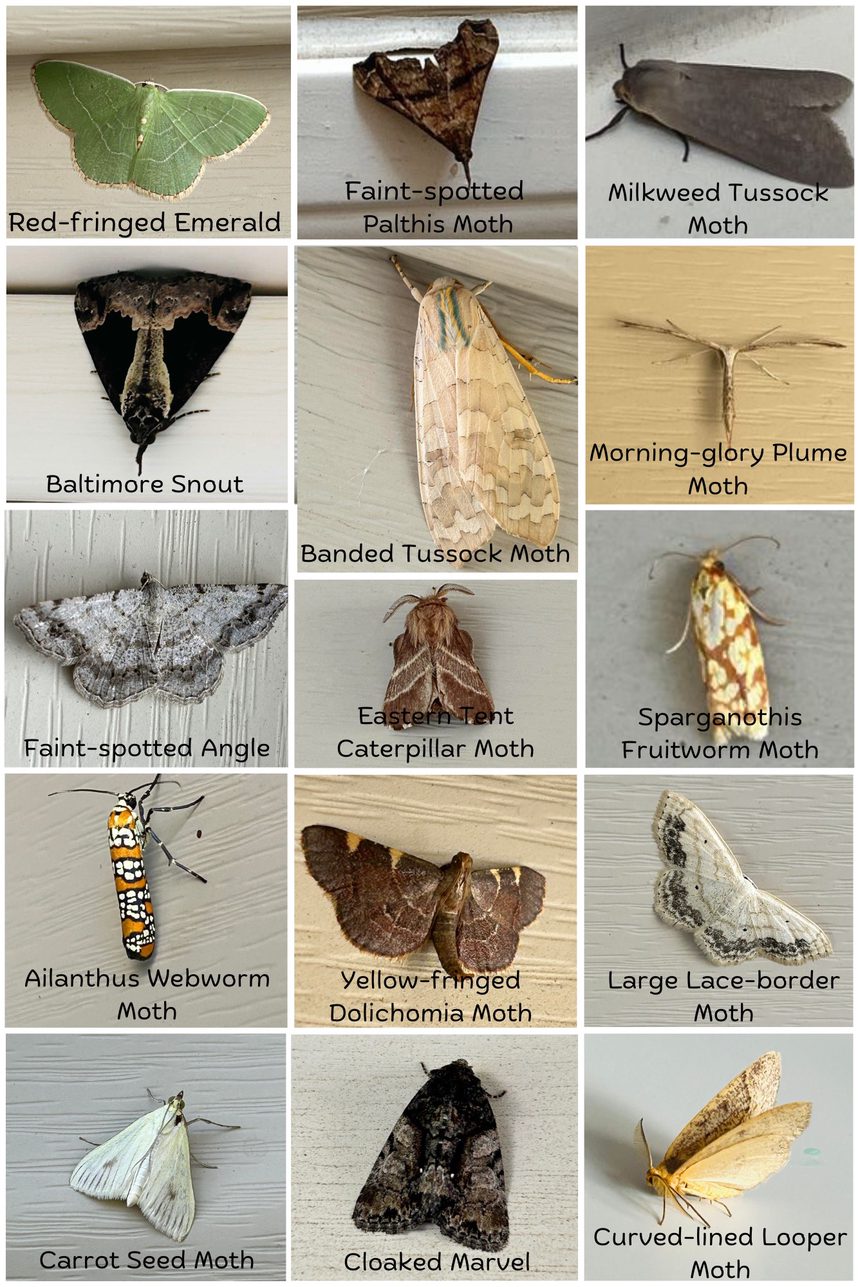
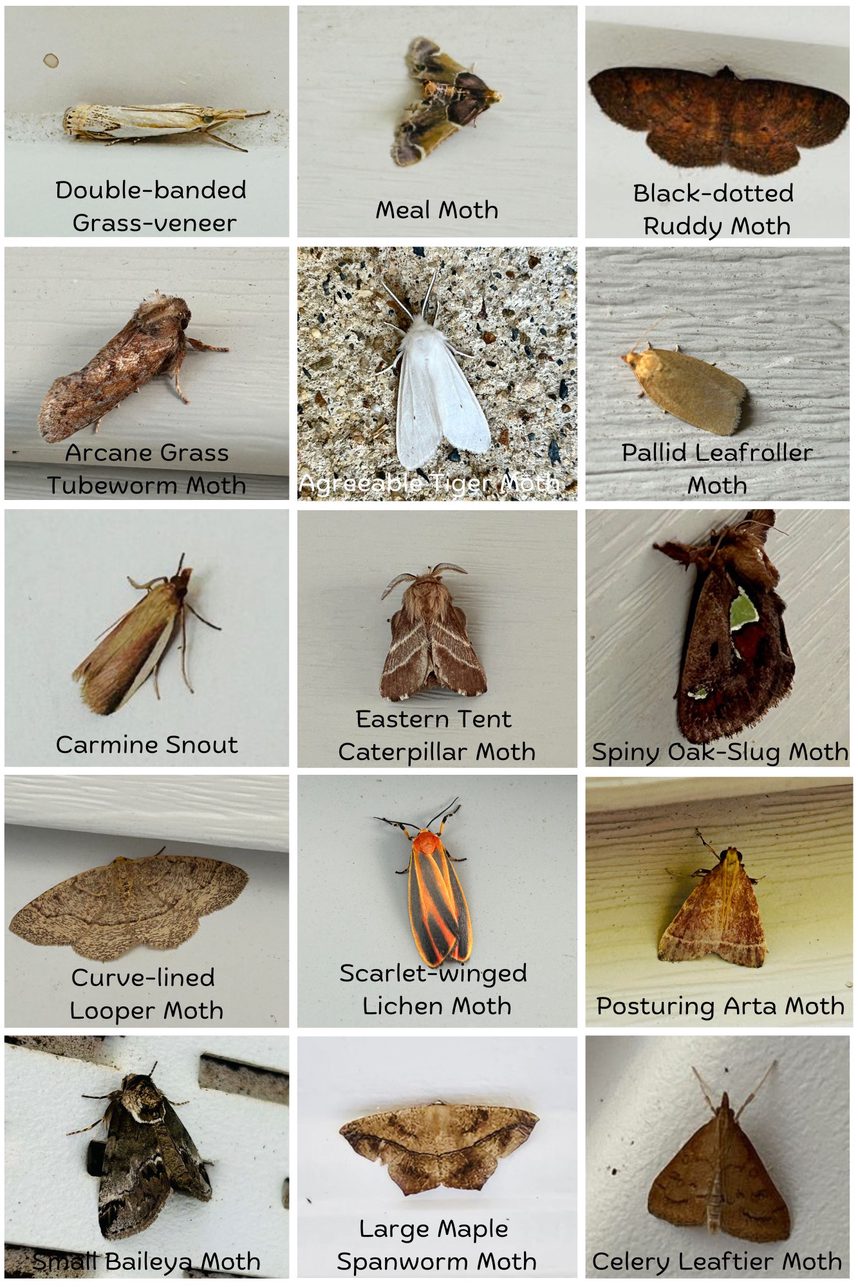
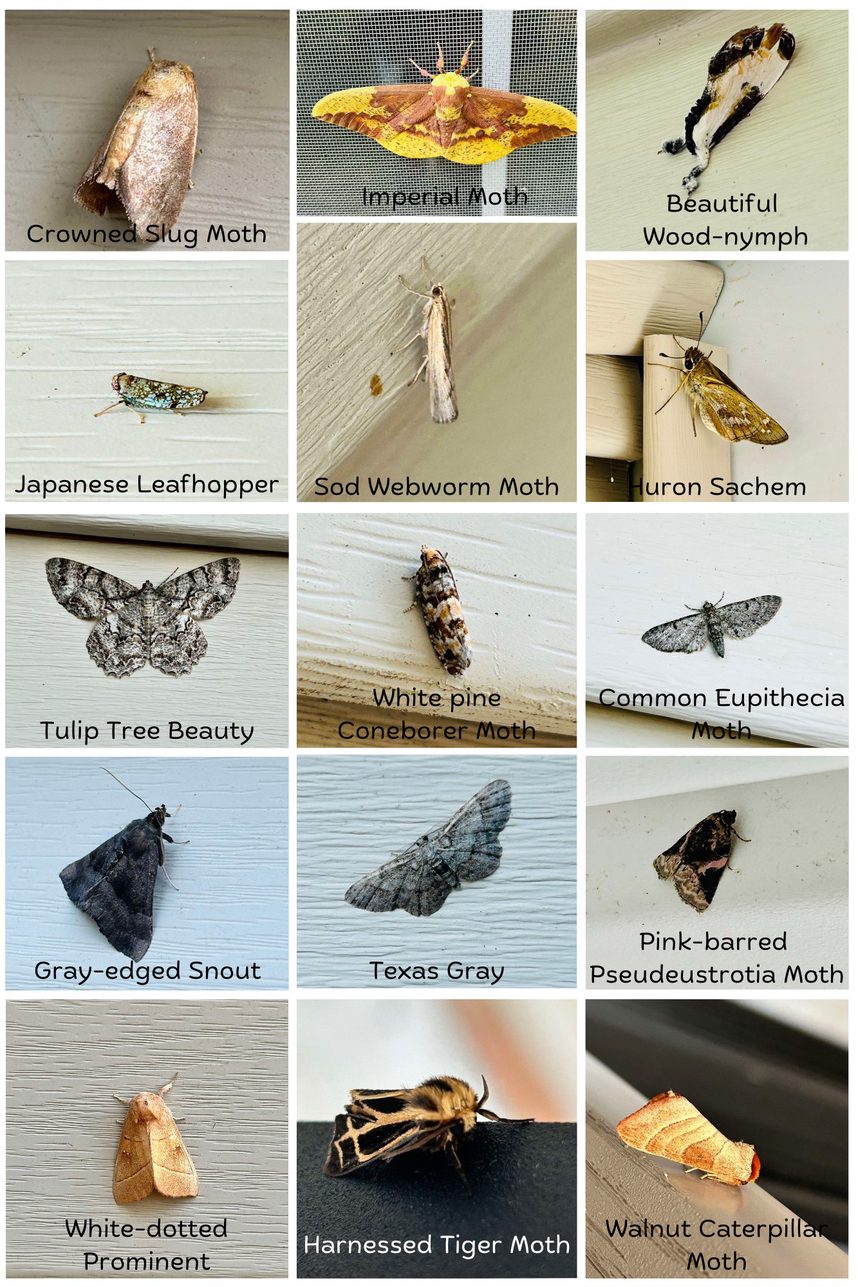
I live on the outskirts of Waynesboro surrounded by farmland and woods and first noticed the abundance of moths collecting in my breezeway towards the end of May. I photographed and recorded my first moth, the Red-fringed Emerald, in iNaturalist and over 50 different species later, it has now become part of my morning routine. These morning encounters are likely due to the cooler, moist conditions that follow the night, making moths more visible as they rest or continue their search for food.
Moths, often overshadowed by their more colorful butterfly cousins, play a crucial role in our ecosystem. They are essential pollinators and serve as a vital food source for birds, bats, and other wildlife. The morning sightings in my breezeway provide a unique opportunity to appreciate these nocturnal insects in a different light.
For those interested in witnessing this morning marvel, I recommend heading out just after dawn. Bringing a camera and downloading the iNaturalist app can enhance the experience, helping to identify and record the different species spotted.
Included below are a portion of the moths I have photographed. The pictures aren’t perfect but the subjects are. Enjoy!
An additional resource listing of butterfly or moth insects that can be found in Virginia are HERE.
Rob Beaton, Newsletter and Website Committee Chair