Category: Projects

  • Audubon’s Christmas Bird Count

    Audubon’s Christmas Bird Count

    “One hundred and fourteen years and still counting ……”
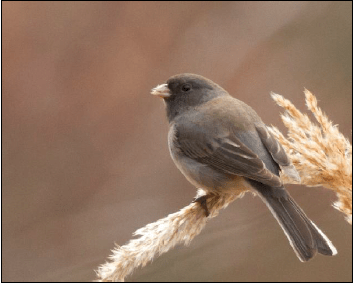
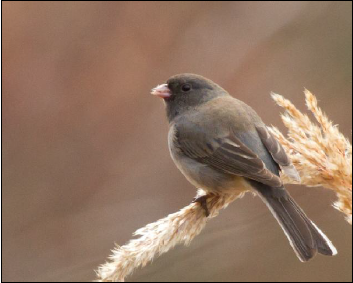
    Junco
    Dark-eyed Junco in western Rockingham County | photo by Diane Lepkowski

    As some of you may know, Frank Chapman, an officer in the early stages of the formation of the Audubon Society, suggested changing the Christmas ‘Side Hunt’ (a competition of choosing sides and who could shoot the most game…feather and fur) to a ‘Christmas Bird Census’ that would count birds versus shoot birds.  Twenty seven birders in 25 different areas tallied 90 species on December 25th, 1900.  Thus began the annual Christmas Bird Count and what is now the longest running citizen scientist wildlife survey!

    According to the Audubon website for last year, there were 2,248 CBC circles and approximately 63,000 participants tallying over 60 million birds.  All 50 states, all Canadian provinces, plus 99 count circles in Latin American, the Caribbean and the Pacific Islands participated. The Audubon website states “Each of the citizen scientists who annually braves snow, wind, or rain, to take part in the Christmas Bird Count makes an enormous contribution to conservation. Audubon and other organizations use data collected in this longest-running wildlife census to assess the health of bird populations – and to help guide conservation action.”

    Please check the December/January VMN-VMS calendars for details of the three circles active in the Rockingham/Augusta area for this year.

    This is a great opportunity to round up some approved project volunteer hours before the end of the calendar year.  And it’s full of fun and camaraderie.

    Hope to see you at one!                     –  RoxAnna Theiss, November 27, 2013

    _____________________________________________________________________________

    This year’s Christmas Bird Count (CBC) will be held from December 14, 2013 – January 5, 2014. The Audubon website tells us:

    There is a specific methodology to the CBC, and you must make arrangements to participate in advance with the circle compiler, but anyone can participate.

    Each count takes place in an established 15-mile wide diameter circle, and is organized by a count compiler.

    If you are a beginning birder, you will be able to join a group that includes at least one experienced birdwatcher.

    If your home is within the boundaries of a CBC circle, then you can stay at home and report the birds that visit your feeder on count day as long as you have made prior arrangement with the count compiler.

    To participate in this project, please contact one or more of the compilers for our three local circles:

    • A mostly Rockingham County circle is centered at Ottobine Rd. and Clover Hill Rd. (257 and 613). Its count will be on Saturday, December 14. Contact Bill Benish, 540-908-7336, wcbenish[at]comcast.net  If at all possible, he needs to hear from you by December 7 for you to participate.
    • An entirely Augusta County circle is centered at Verona. This count will be on Sunday, December 15. Contact Allen Larner, birdergonewild[at]yahoo.com
    • A third counting circle in our area straddles the Augusta and Nelson County lines incorporating Stuarts Draft and parts of Waynesboro. It will be held on Saturday, January 4, 2014. Contact Crista Cabe, ccabe[at]mbc.edu no later than December 14.

    More from the pages of the Audubon Christmas Bird Count website:

    Ten Things We Learned from Audubon’s Christmas Bird Count

    1. Birds are not Climate Skeptics, having spoken with their wings.
    2. The Bald Eagle is back; the Endangered Species Act Works
    3. Many of America’s most familiar and beloved birds are in serious decline.
    4. Eurasian Collared-Doves invaded America
    5. Peregrine Falcons are no longer in trouble
    6. Sage-grouse are in deep trouble WatchList
    7. More and more hummingbirds are staying in the USA and Canada for winter
    8. “Eastern” House Finches having been moving west for 60 years
    9. How fast and how far West Nile virus spread
    10. Birds are early indicators of environmental problems that can affect people

    See more here http://birds.audubon.org/how-christmas-bird-count-helps-birds

  • Monarch Madness

    Monarch Madness

    by Frank Deckert  November 19, 2013  … as written to HMN facebook administrator Kate Guenther

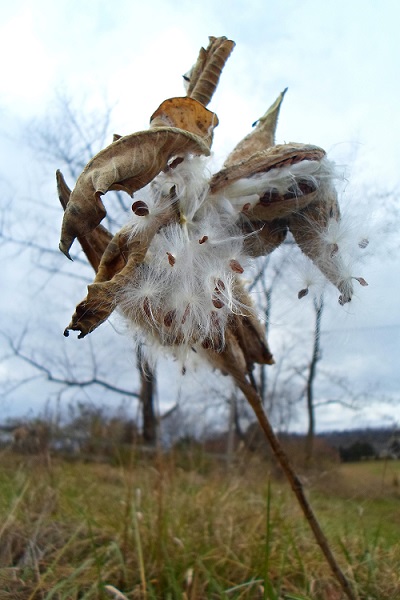
    monarchmilkweed gone to seedOn November 7, my wife Gloria and I went to Berkeley Glenn Elementary School in Waynesboro to participate with 60 third graders in a milkweed seed “planting”.  …

    The day was beautiful, the kids were enthusiastic and many thousands of seeds were distributed by the kids and the wind in a natural area on school property.  PE teacher, Mr. Freeman, coordinated the project at the school.  Gloria is president of the Waynesboro Woman’s Club which co-sponsored a Monarch Butterfly Art Contest at the school with the Waynesboro Public Works Department. Gloria passed out award certificates to the contest winners (and did a great job of displaying the sign that warned mower operators not to mow the milkweed).

    In Waynesboro, Coyner Springs Park, Berkeley Glenn Elementary School and the new hilltop park will all be designated as official monarch migration sites.

  • Wildflower Tournament 2014

    Wildflower Tournament 2014

    by Sandy Greene

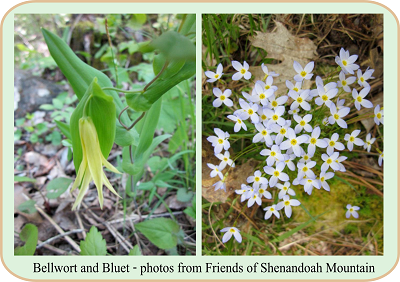
    spring wildflowersShenandoah Mountain stretches across Augusta and Rockingham Counties in the George Washington/Jefferson National Forest (North River Ranger District). It is a biodiversity treasure, with native forestland for native species habitat, recreation, hunting, fishing and clean water. The Shenandoah Mountain complex includes the largest roadless area east of the Mississippi (Little River roadless area), one of Virginia’s highest elevations (Reddish Knob at 4,397′) and over 170 miles of trails. This is the literal “backyard” of the Headwaters Master Naturalists, and citizens of the counties we serve. It is important to know and appreciate the rich natural heritage we live beside, and depend upon.

    Last year's planned Wildflower Tournament was cancelled due to thunderstorms. This year's is sure to offer more perfect weather!
    Last year’s planned Wildflower Tournament was cancelled due to thunderstorms. This year’s is sure to offer more perfect weather!

    To this end, multiple guided hikes are tentatively planned for Saturday, May 10th, 2014, for anyone willing to come out. The focus of the walks will be on the diverse, abundant wildflowers expected to be adorning the trails this time of year.

    The “tournament” aspect is by photography. Who can “photobag” the most species blooming that day, as a measure of the biodiversity of Shenandoah Mountain? A web-based slide show will highlight each trail’s finds.

    Master Naturalists and those in training will work together with Friends of Shenandoah Mountain and the Virginia Native Plant Society (Shenandoah Chapter), as well as the US Forest Service, North River District, to plan/host four accessible/rich wildflower hikes on the Shenandoah Mountain trail complex over the day. The schedule and trailhead locations will be publicized locally, and will be open to the public. Teams of Master Naturalists in training, a Master Naturalist or at least one wildflower “expert” will accompany and guide each group. These volunteers will follow all Master Naturalist guidelines, and be reasonably prepared with safety procedures and first aid/communications devices.

  • Micro-Habitat Demo Garden Chapter Focus Project

    Micro-Habitat Demo Garden Chapter Focus Project

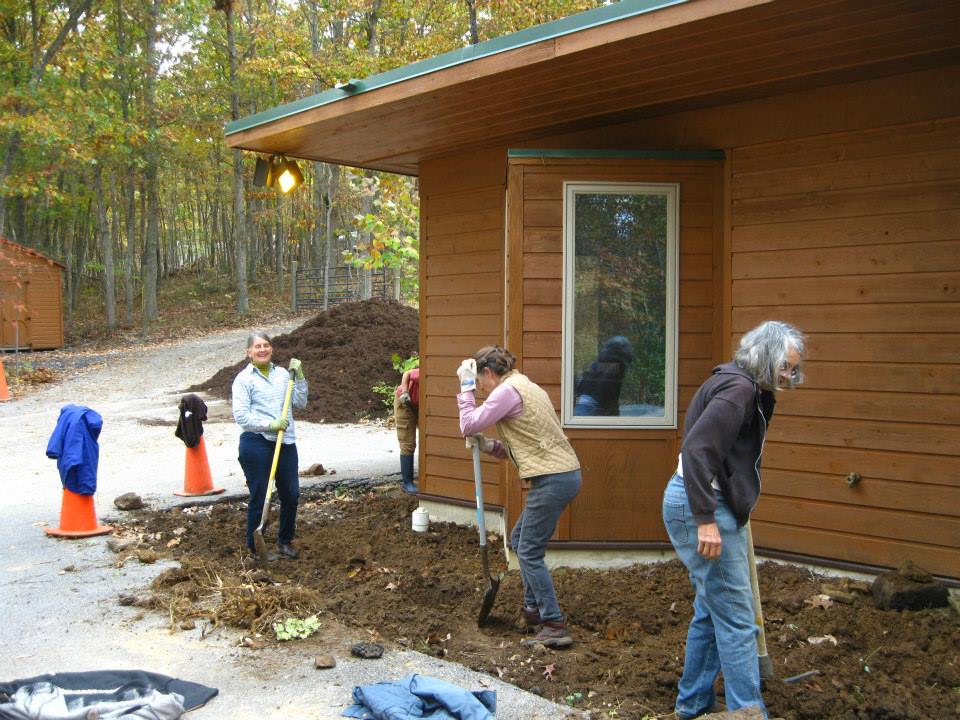
    Ann, Judy and Eleanor clean out the roots of the old invasive non-native Leatherleaf mahonia at the project Kick Off!
    Ann, Judy and Eleanor clean out the roots of the old invasive non-native Leatherleaf mahonia at the Kick Off!

    Hi Headwaters members!

    I am pleased to announce that the chapter has chosen a volunteer project to be a central focus for our whole chapter in the next 12 months. How did we select a focus project? We chose from projects that would utilize a broad array of member skills and interests that could complete a discreet project in 12 months.

    Our hope is that every member will consider how she or he can get involved in some way to help the chapter achieve this goal. Even if you just help a wee little bit. And there are some nice juicy sub-projects for those of you who can help out more.

    This year’s project is going to be creating and installing a Micro-Habitat Demonstration Garden at the front entrance of the Wildlife Center of Virginia, in Waynesboro VA. Please see this flyer about the project and hold the work dates in your calender. We’ll be starting in October! For those of you who cannot attend these dates– there are other ways to get involved. I’ll be sharing that in the near future.

    I look forward to working, learning and having fun with you all in the upcoming year.

    Kate Guenther, September 9, 2013

    focus project ppt
    Click on this image to launch Kate’s excellent Powerpoint Presentation about the Wildlife Project.

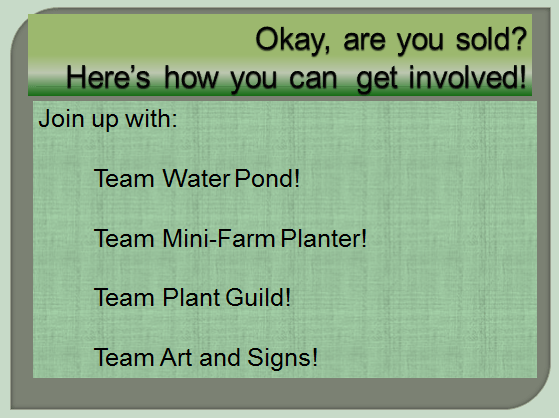
    are you sold
    Contact Kate, goatherderkate[at]yahoo.com to join up! She will find a way for you to contribute.
    More about this Project:

    A diverse range of citizens bring over 2500 injured animals through the front doors of the Center every year. This entrance garden will demonstrate some ideas for native gardens for wild-life and wildlife foods people can integrate into their habitats at home. There may also be the possibility of working with the Center to install a sustainable grove of seedlings to be harvested for fawn and bear browse. Other possibilities include a shrub screen to isolate the bears from walking paths, and bank stabilization planting to manage runoff. The full scope of possibilities for involvement are still being developed.

    Sandy works with the Pond team in the back, while Betty (center) helps discuss possible guild plantings
    Sandy works with the Pond team in the back, while Betty (center) helps discuss possible guild plantings

    Once we dig around and see the quality of soil, sun and water this November, we will then form teams to plan the following possible garden elements:

    •  a water feature
    •  a wildlife food guild
    •  a raised bed wildlife food plot
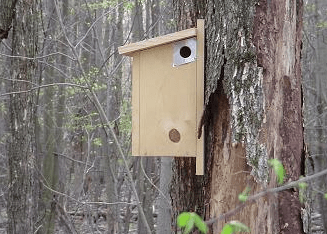
    •  an animal or bird nest box

    Raccoon nest box plans here: http://www.helpingwildlife.org/images/raccoonnestbox.pdf

    flying squirrel nesting boxFlying squirrel nesting box for use by a mother and her young, and aggregate box for use by a group of flying squirrels in the winter are both here: http://www.flyingsquirrels.com/boxplans.html

    Who Benefits?

    • Wild Patients at the Center will get a few additional wild crops added to their diets—true com-fort foods for those far from home.
    • Volunteers will benefit from brain and body exercise and learn some permaculture and water element techniques, while learning about the flora that our local fauna eat.
    • The Wildlife Center will benefit from having a beautiful native garden that is a certified wildlife habitat!
    • The Public will have another local tool to learn about eco-friendly gardening practices.

    Project Work Dates:

    • Saturday, October 19, 2013 (Rain date is Oct. 26) 9am-3pm. The Kick Off! Clean out and prep the bed in morning, work on designing the garden after lunch.
    • Thursday, February 13, 2014 (Rain dates Feb. 20 and 21) 9am-afternoon or any part thereof. Pond digging and Raised Bed installation. Bring a shovel, work gloves and a lunch. POSTPONED to Thursday, February 20 due to winter storm. UPDATE: Due to the snow, the garden bed is not quite ready to be worked this Thursday, Feb. 20. It is still buried under a foot of snow.
    • Thursday Feb. 27th, 9 am until after lunch sometime and bring a sack lunch. — new date. Please bring shovels, gloves for digging the pond, building the raised bed out of stone.
    • Thursday March 6, 9 am until after lunch sometime and bring a sack lunch. — new date. Please bring shovels, gloves for digging the pond, building the raised bed out of stone. CANCELLED due to ground conditions from recent winter storm.
    • Saturday, March 8, 2014 (Rain/snow date is March 15) 9 am- noonish. Install nest boxes, and signs. Work on water feature. Lunch provided.
    • Saturday, August 16, 2014 Rain or Shine! 12pm-4pm. Celebration, Advanced Training and Ribbon-Cutting! We will come together to celebrate our achievements and get some advanced training in a topic related to wildlife foods and how to take the knowledge of a Wildlife Federation Garden habitat home.

    For more info, contact: Kate Guenther goatherderkate [at] yahoo.com or 540-350-2824 Directions: The Wildlife Center of Virginia, 1800 South Delphine Ave., Waynesboro: Take Interstate 64 to the base of Afton Mountain in Waynesboro. Get off at Exit 96, the Lyndhurst exit. At the end of the exit ramp, turn south towards Lyndhurst/Sherando. The Center is ½ mile down that road on your left hand side, in the woods. 540-942-9453  www.wildlifecenter.org

    wildlife center prefocusproject
    Wildlife Center of Virginia in need of a wildlife garden!
  • Lake Todd Campsite Cleanup

    Lake Todd Campsite Cleanup

    by Tom Long  July 20, 2013  … on HMN volunteer project in the George Washington National Forest on Wednesday, July 17, 2013

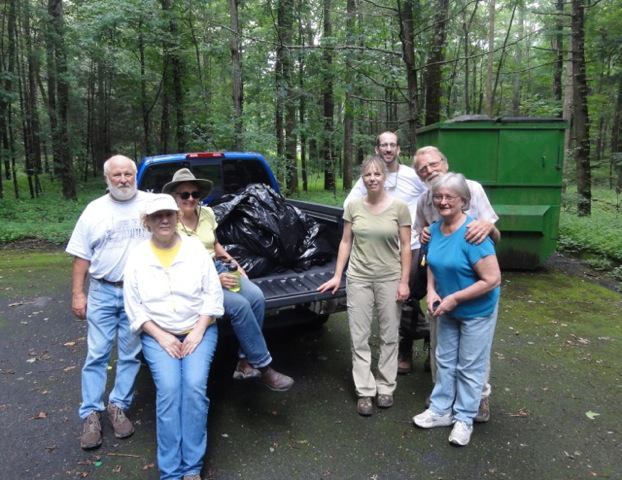
    Todd Lake cleanup 1Undeterred by the muggy morning, Headwaters Master Naturalists – Ann Murray, RoxAnna Theiss, Rob Alexander, Dwayne and Pat Martin, Tom Long, and Gretchen Achenbach (joined by her husband, Ken) – tackled the persistent litter problem that seems to plague so many of our public lands. Working the stretch between Todd Lake and Camp Todd the group cleaned up over a dozen dispersed campsites and much of the roadside between them. Eight heavily laden contractor trash bags later we’d picked up cigarette butts, numerous bottles and cans, camp chairs, and even an improvised 5 gallon pail toilet. The Forest Service graciously gave us a fee waiver for use of the Todd Lake recreation area and, after the work was done, our trash team settled in for lunch at the Todd Lake picnic area. Many washed off the sweat with a cool – some would say cold – dip in the lake. As master naturalists the conversation often focused on trees, butterflies, flowers, and mushrooms we saw along the way. The George Washington National Forest is quite a treasure for hikers, bikers, campers, birders, and anyone interested in nature. Headwater Chapter of Virginia Master Naturalists is pleased to be a small part in taking care of this special place.

    Todd Lake cleanup 2Todd Lake cleanup 3