Author: retiredrob

  • Campus Tree Inventory at JMU

    Campus Tree Inventory at JMU

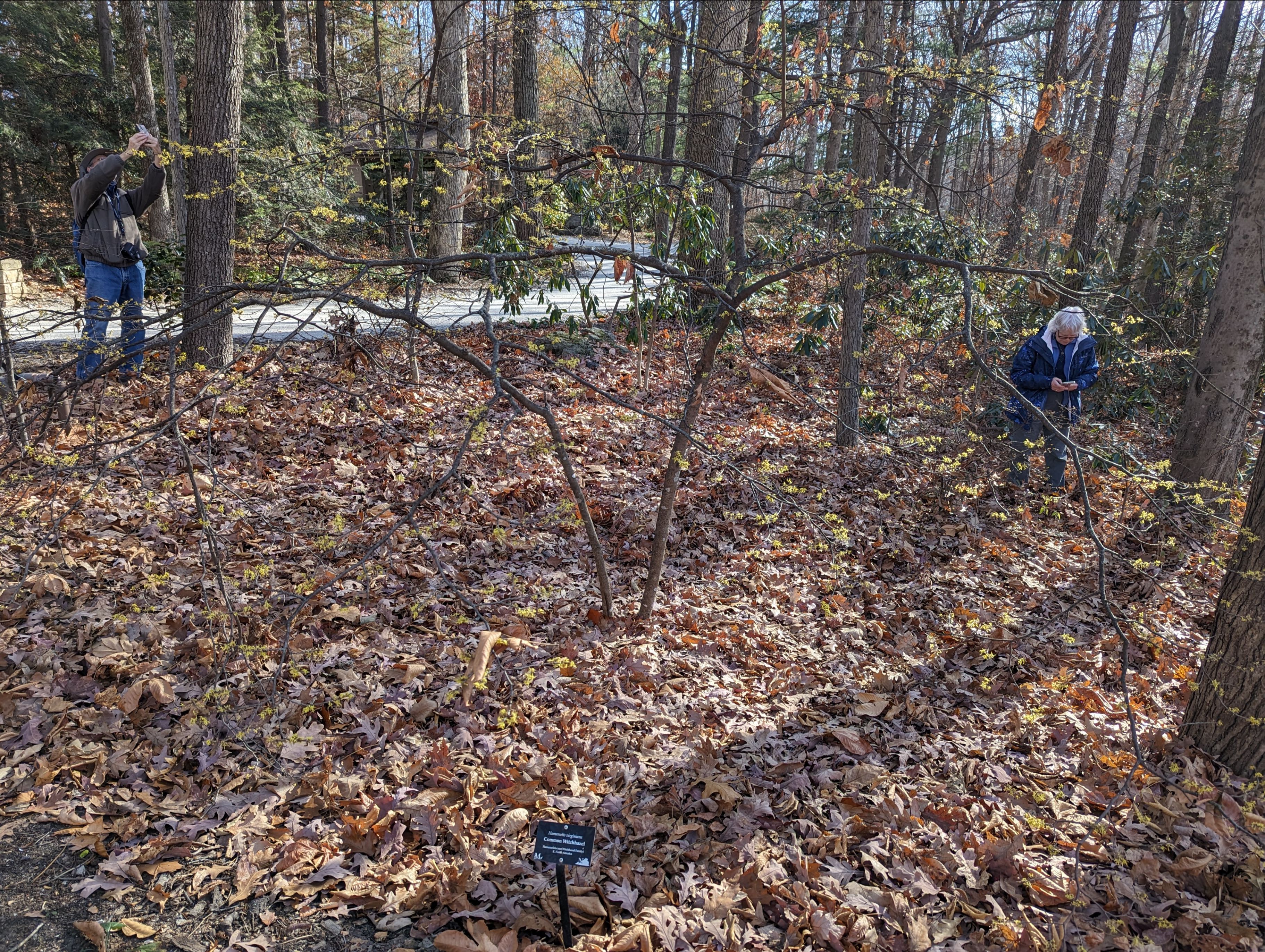
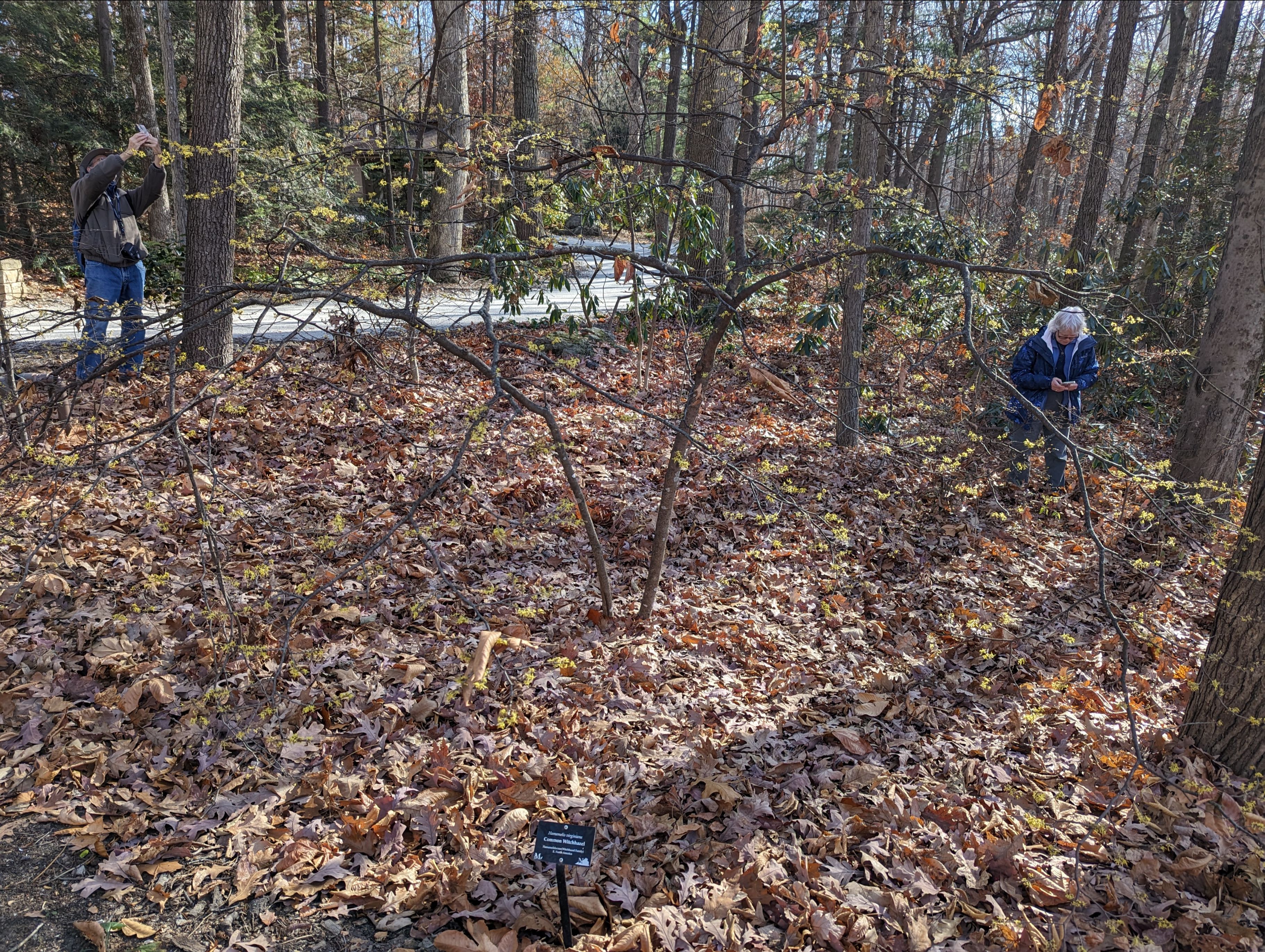
    Elaine Smith and Dave Forrer assisting with the tree inventory at Edith J. Carrier Arboretum. Photo by Ali Sloop.

    The tree inventory on campus this year will primarily focus on assisting the E.J.C. Arboretum with inventorying the trees (of a certain size) in the woods and gardens there. Over 1,000 trees were inventoried by master naturalists and JMU staff last season! Can we beat that number this year?

    Training is provided – a smartphone is encouraged, but not required. Previous tree ID skills are not required, but a willingness to learn is!

    Available dates for work:

    • July 16, 25
    • Aug 1, 8, 15, 22, 29
    • Sept 5, 12, 19, 26
    • Oct 3, 10, 17, 24, 31

    Tree Inventory starts at 8:30 am and goes until about noon (or whenever phone batteries get low).

    If you are new to the JMU Tree Inventory volunteer team, please contact Ali (at least a week before you plan to volunteer) to get log-in information for the mapping application we use in the field.

    For each work day, please meet at the Frances Plecker Education Center (780 University Blvd, Harrisonburg, VA 22801) at 8:30 am.

    If you have any questions and/or if you plan to participate in any of the tree inventory work dates, please let Ali Sloop know via email (witmanad@jmu.edu), phone or text (540) 421-1105 so she knows who to expect.

    Ali Sloop – Stormwater Coordinator
  • The Spongy Moth

    The Spongy Moth

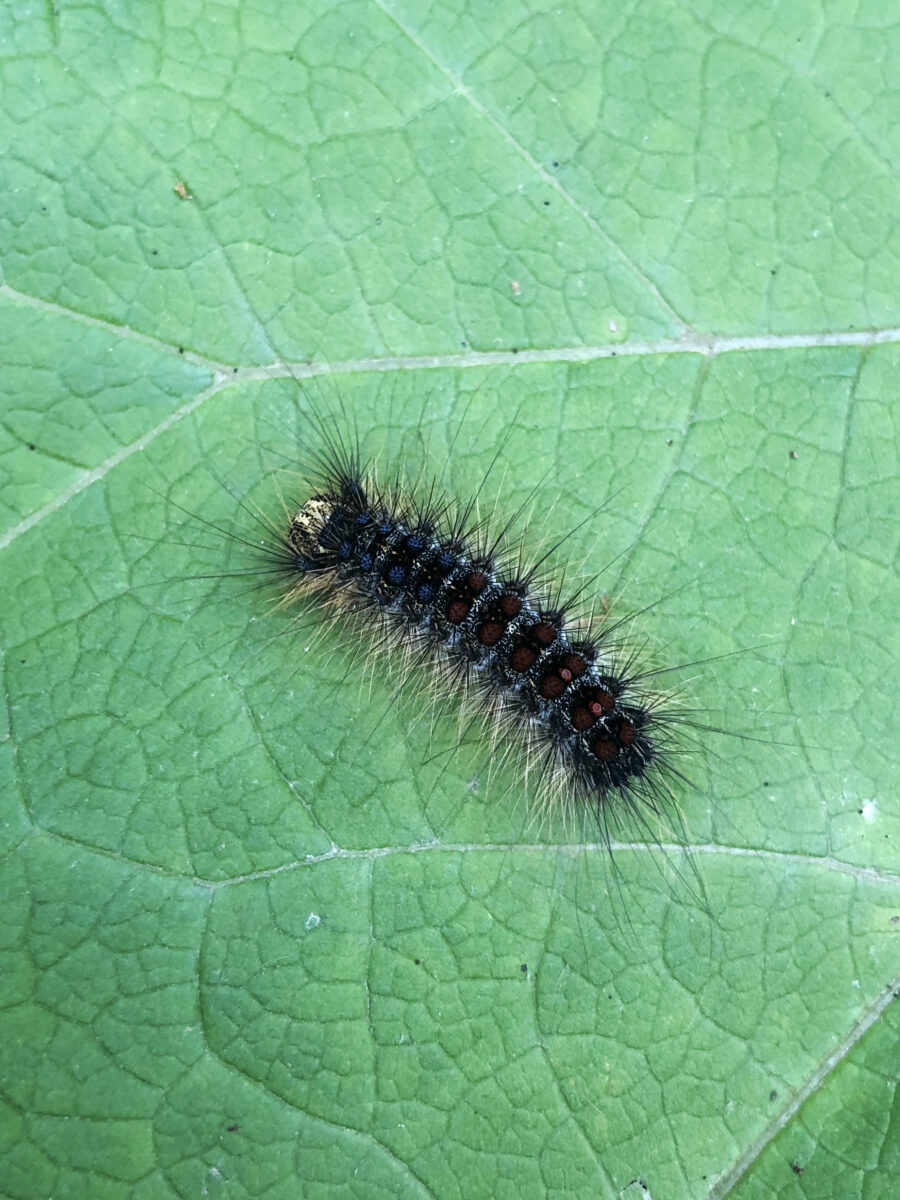
    Spongy Moth caterpillar.  Photo by Virginia Department of Forestry.

    The spongy moth, previously known as the gypsy moth, is an invasive species causing significant ecological and economic damage in Virginia. Originating from Europe, it was accidentally introduced to North America in the late 19th century. The larvae of this moth are voracious feeders, primarily targeting oak trees but also consuming over 300 other species of trees and shrubs. Their defoliation can weaken trees, making them more susceptible to diseases and other pests, and can lead to long-term forest health issues. Virginia’s forests, which are a critical part of its ecosystem and economy, are particularly vulnerable. Efforts to manage and mitigate the spread of the spongy moth include monitoring, the use of biological control agents, and public education to prevent further dissemination.

    The Department of Forestry monitors spongy moth populations and impacts to address outbreaks on state lands and help inform suppression efforts on other lands in cooperation with Virginia Department of Agriculture and Consumer Services, U.S. Forest Service – George Washington and Jefferson National Forest and localities. You can also help us track spongy moth populations by reporting sightings on iNaturalist.org.

    Most trees can withstand a year or two of defoliation from spongy moth caterpillar feeding, but there are additional measures landowners can take to protect their trees.

    Learn more on DOF’s website: https://ow.ly/hsOe50RK0Ne

    Virginia Department of Forestry’s Post

  • Become a Virginia State Parks Volunteer! 

    Become a Virginia State Parks Volunteer! 

    Did you know that in 2023, VMN volunteers contributed 11,804 hours of stewardship, education, and participatory science at 28 parks of Virginia’s 42 State Parks? Virginia State Parks would love to have more VMN volunteers assisting with their interpretive programs, stewardship projects, and other activities.

    By the way, it is fine to count service hours as a VMN volunteer and for the Virginia State Parks volunteer program at the same time! To volunteer, you will need to complete the State Parks volunteer application so that you are in their system.

    VMN State Office staff

  • NestWatch

    NestWatch

    Cornell University’s NestWatch program is a treasure trove for bird enthusiasts and citizen scientists alike. Through NestWatch, participants across North America contribute valuable data by monitoring nesting birds in their local areas. This citizen science initiative not only helps researchers better understand bird populations and behaviors but also provides a platform for people of all ages and backgrounds to connect with nature and make a meaningful impact on avian conservation efforts. Whether you’re observing bluebirds in your backyard or documenting raptors in remote wilderness areas, NestWatch empowers everyone to play a role in protecting our feathered friends for generations to come.

    To learn how you can help, visit NestWatch.org.

  • Wildflower Weekend in Shenandoah National Park

    Wildflower Weekend in Shenandoah National Park

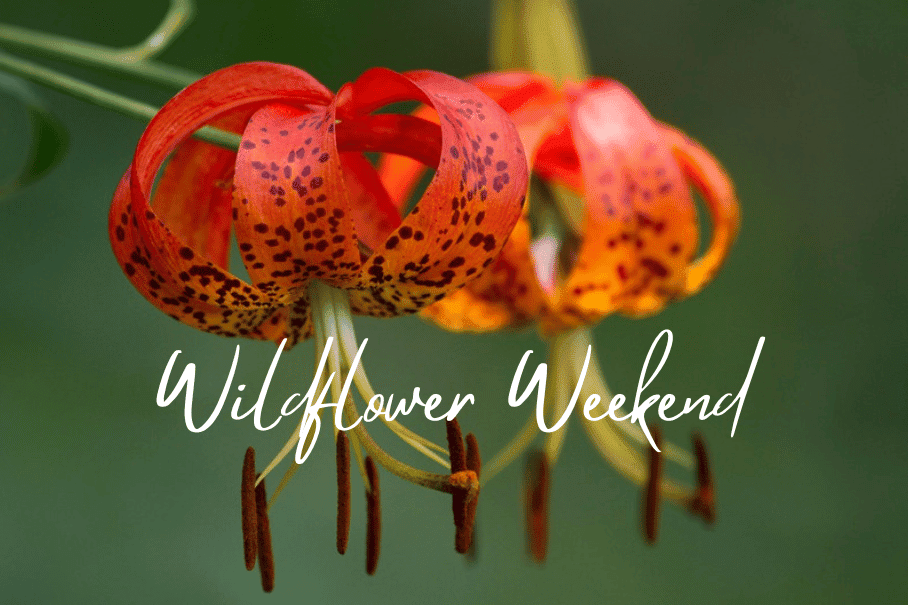
    Turks Cap Lily. Photo by Shenandoah National Park

    Spring wildflowers are at the heart of Shenandoah National Park’s 38th annual Wildflower Weekend celebration! Guided hikes and programs will focus on the diversity and importance of not only hundreds of species of flowering plants that are protected by the park, but other seasonal changes as well. 

    Additionally, winning artwork from Shenandoah’s annual Youth Wildflower Art Contest will be recognized during a ceremony at Byrd Visitor Center.

    All programs are free. No reservations are needed. Adults and children are welcome on all Wildflower Weekend programs. The 2024 schedule of programs for Saturday, May 11 and Sunday, May 12 can be found linked here, along with this year’s program leaders.

    Wildflower Weekend is sponsored by Shenandoah National Park Association.